An offline adventure does not require a remote trail, an expensive kit, or an entire weekend. It can be an unfamiliar neighborhood, a park you usually drive past, a library across town, or a short walk with one deliberate question in mind. The point is to spend a little time in a place without asking a feed to supply every moment of interest.
If you have been waiting to become “outdoorsy” or more spontaneous before trying one, start smaller. This guide gives you a repeatable way to choose a destination, handle practical details, use your phone when it is genuinely useful, and return with something more valuable than a perfect photo.
What counts as an offline adventure?
Think of an adventure as a change of setting plus a little curiosity. It has a beginning, a manageable amount of uncertainty, and a clear way home. “Offline” describes how you direct your attention during it, not an oath to abandon navigation, emergency contact, or accessibility tools. A bus ride to a new café can count. So can a loop around a familiar block if you take a different route and actually look.
This definition matters because the imagined ideal can become a barrier. People picture a full day in the wilderness, then postpone it because the weather, money, energy, or childcare does not cooperate. A modest outing can happen this week. You can scale it after you know what you enjoy.
Choose the right size for your first outing
Pick one of three starting sizes. A “micro” adventure is 20–40 minutes, close to home, with no special equipment. A half-day adventure adds travel and a destination. A full-day trip may need tickets, food, weather planning, and a clear return time. The best first choice is the one that leaves you wanting to go again.
- Micro: visit a neighborhood garden, take a different walking loop, or browse a local library branch.
- Half-day: explore a museum, waterfront, farmers market, accessible trail, or nearby town.
- Full day: plan a park visit or regional trip with a route, backup plan, food, and someone who knows where you are.
A place does not need to be scenic to be interesting. Ask what is available by transit, what is free, and what fits your body and energy. Consider daylight, weather, restrooms, seating, and whether the route works for a stroller or mobility aid. If you are going outside, consult the destination’s current rules and conditions before leaving.
A simple planning card
Write the following on paper or in a note you can access without opening social apps. This is an illustrative planning framework, not a scientific prescription:
- Destination and one reason to go: What do you want to see, learn, or notice?
- Start, return, and turnaround times: When will you head back even if you have not “finished”?
- Route and backup: How will you get there, and what is a shorter or indoor alternative?
- Essentials: water, weather protection, medication you normally carry, money or transit fare, and any access needs.
- Phone role: navigation, ticket, camera, emergency contact, or none of these.
- One contact: for an unfamiliar outdoor route, tell someone where you are going and when you expect to return.
For a park hike, planning is also a safety issue. The National Park Service’s Ten Essentials are a useful framework for deciding what to carry, and its hiking safety guidance recommends a trip plan and realistic turnaround time. A short, familiar city walk needs less gear; an isolated trail needs more preparation. Never treat being offline as a reason to leave behind a working safety tool.
Give the phone a job before you leave
Most outings do not fail because someone looked at a map. They lose their shape when an unrelated notification turns a practical check into ten minutes of browsing. Decide which uses belong to the trip. Save the route or screenshot key details, then silence nonessential alerts. Put the phone in a bag or pocket where you must choose to retrieve it.
Research on attention gives a modest reason to try this. In a laboratory experiment, Stothart and colleagues found that a phone notification disrupted performance on an attention task even when participants did not interact with the phone. That does not prove every buzz ruins an outing. It suggests that fewer interruptions may make it easier to stay with what you came to experience.
A useful rule is “check at landmarks”: at the station, trail junction, venue entrance, or planned midpoint. If you need continuous navigation for safety or accessibility, use it. If the route is straightforward, let your eyes do some of the work between checks.
Arrive with one small assignment
A blank invitation to “be present” can feel vague. Give yourself a concrete prompt that asks for attention without turning the outing into homework. Find three details you would never have seen from a car. Notice what changes between a busy street and a quiet one. Compare the sounds at the start and end of a route. Look for the oldest sign, tree, or building you can identify.
You could also choose a person-oriented assignment: ask a librarian for a recommendation, speak with a vendor about a local product, or invite a friend to walk and let the conversation unfold. Do not pressure yourself to be social. Solitary outings can be restorative too.
If you want to take photographs, choose a short window for that rather than documenting continuously. Our guide to taking photos without missing the moment explores that tradeoff. A photograph can be a souvenir; it does not need to be the purpose of the trip.
Expect the first quiet minutes to feel strange
If you usually fill every transition with audio or a feed, the first few minutes may feel under-stimulating. That reaction is information, not a sign that the outing is failing. You can keep walking, notice the feeling, and decide later whether silence was useful. There is no prize for enduring discomfort. Music or a podcast can be a perfectly good choice on another day.
The aim is to test what happens when the environment gets a chance to compete for your attention. A 2014 series of experiments by Oppezzo and Schwartz found that walking helped performance on some creative idea-generation tasks. It did not improve every kind of thinking, and the experiments do not show that every walk will produce a breakthrough. They do offer one reason to make space for a walk when you feel mentally stuck.
Try a first adventure this week
Here is a low-pressure example. On Thursday, pick a public place 15 minutes away that you have never entered. Check hours and transit. On Saturday, bring water, a little cash if needed, and your phone for directions. Put notifications on silent. Spend 30 minutes exploring, then sit for five minutes and write one sentence about something you noticed. Head home. That is enough.
If you are depleted, shrink the plan: sit in a nearby green space or walk one block in a new direction. If conditions are unsafe, the weather is poor, or your health needs change, choose an indoor option or postpone. The plan serves you; you do not serve the plan.
Three outings that work in real life
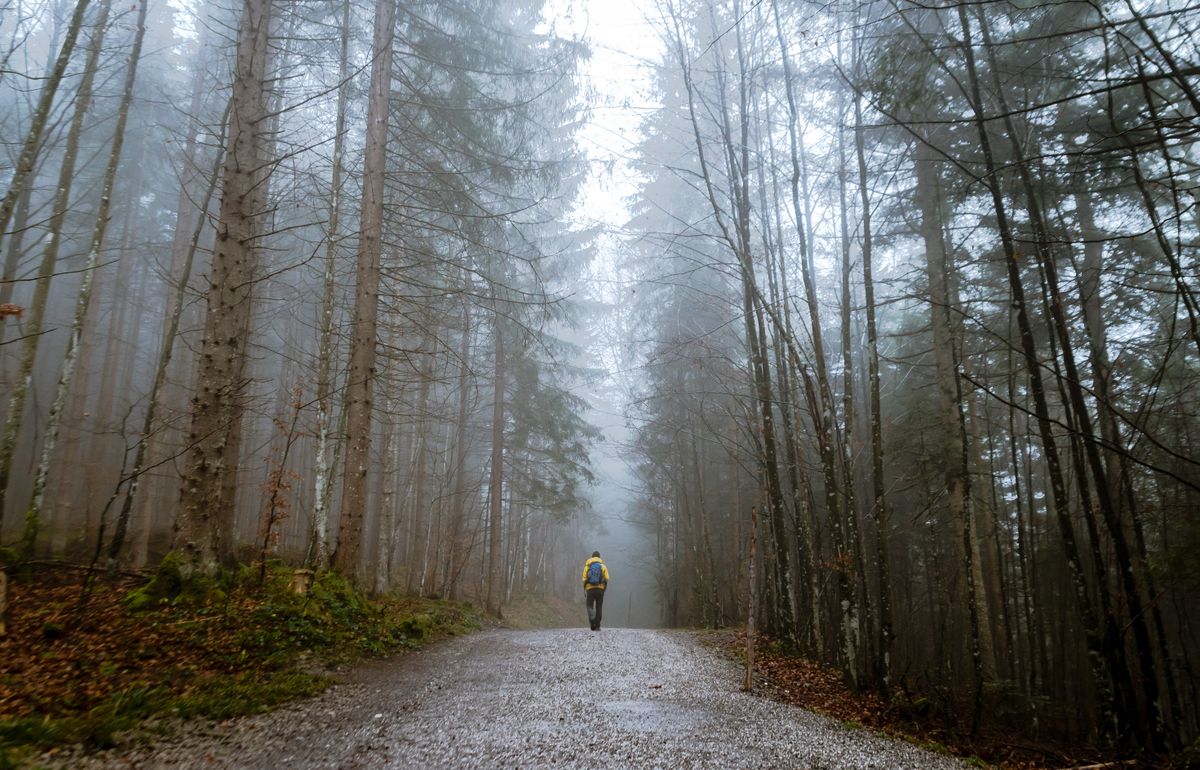
The neighborhood loop. Leave from your door with a destination you can reach on foot, such as a library, public garden, or a street you have never explored. Set a return time before leaving. On the outward leg, look for one detail you usually pass without noticing. On the way back, take a different safe route if one exists. You have explored without needing to turn the outing into a major trip.
The local place you keep postponing. Choose a museum with a free admission window, a public trail, a farmers market, or a community event. Check hours, accessibility, admission, and transportation before you go, then save the information so you do not need to keep searching on site. You can spend twenty minutes there and still count the outing as worthwhile. The point is to make contact with a place, not complete a checklist.
The ordinary errand with extra space. Walk to the bookstore or take transit to buy ingredients for dinner. Add one unhurried stop: a bench, a park, or a café where the phone stays in your bag. This works when your schedule leaves no room for a separate adventure. An ordinary task can become a less hurried afternoon.
Plan for the awkward parts
Being offline for part of an outing does not mean being unreachable in an emergency. Tell someone where you are going when the route is remote or unfamiliar. Carry a charged phone, and use it for navigation or safety when needed. For a park or trail, check conditions and bring water, suitable shoes, and other essentials. The National Park Service’s Ten Essentials guidance is a useful starting point for more demanding trips. A short city walk calls for less gear, but the habit of thinking ahead still helps.
If you feel self-conscious going alone, start with a familiar public place. A book, notebook, or sketchpad can be an anchor. If you want company, invite a friend and agree that checking a phone is fine for practical reasons while the outing itself remains the focus. An offline adventure can be shared; it does not require silence or isolation.
Weather, cost, disability, caregiving, and transportation all shape what is possible. Adjust the definition of adventure to your circumstances. A new library aisle or a twenty-minute visit to a nearby garden can be more accessible and repeatable than a distant hike. If an outing feels too difficult to start, reduce the distance and preparation rather than abandoning the idea.
Use a simple after-action note
When you return, write down three answers: What did I notice? What made the outing easy or hard? What would I change next time? This is a personal reflection, not a score. If you spent most of the walk looking at directions, choose a simpler route next time. If the destination felt crowded, try another time of day. If you liked sitting outside more than walking, build the next outing around a place to sit.
Consider the cost of the outing before you go. Free public spaces, library events, and a walk from home can be satisfying without tickets or special equipment. If a destination requires reservations or a long drive, choose a simpler option for your first attempt. Lowering the effort makes it more likely that you will repeat the experience on an ordinary week.
It is also fine to take photos. Decide whether you want a record of the day, a memory to share, or simply permission to enjoy the scene without documenting it. One or two intentional photos may serve you better than keeping the camera open throughout the outing. The phone is there for your purposes; it does not need to direct the trip.
Afterward, keep the useful part
Do not measure success by miles, photos, or an idealized feeling of transformation. Ask three questions: What held my attention? What made the outing harder than it needed to be? What would I repeat? Write the answers in a few lines. Over time you will build a personal map of places and activities that make leaving the screen feel worthwhile.
If your next challenge is making these small choices regular, the 7-Day Unplugged Reset offers a printable structure for experimenting with your habits. It is a planning tool, not a treatment or a demand to abandon useful technology. You can also browse more ideas in Offline Adventures. The next outing can be simple: choose a place, make a safe plan, and go.